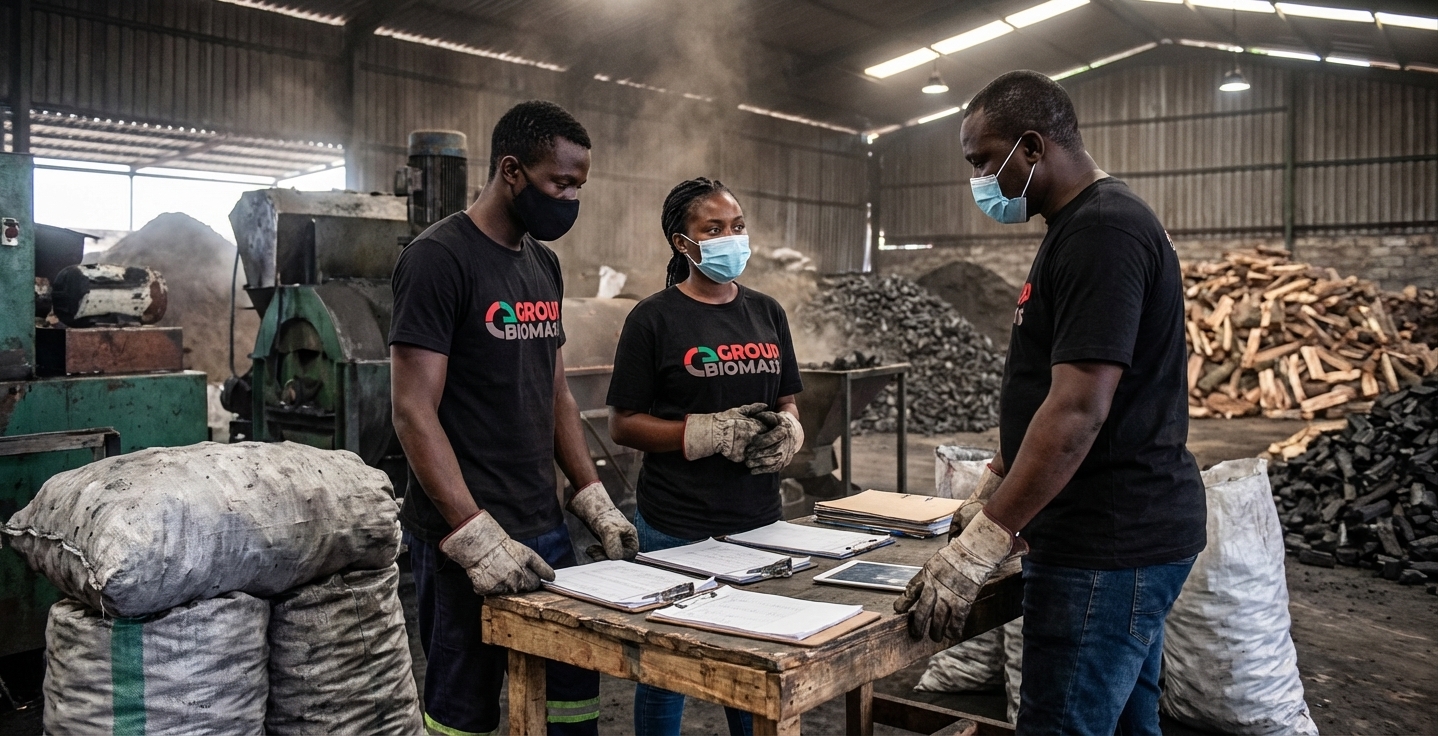
Deep within the nation , a significant site stands as a symbol to the rising demand for charcoal . This commercial complex, reportedly the country’s biggest wood operation, is attracting attention for both its scale and the potential environmental ramifications. While providing employment for nearby communities, the plant’s operations are sparking concerns about ethical forest practices and the future preservation of Cameroon’s woodlands .
Premium Briquet Carbon Export Boom: Cameroon’s Emerging Nation
Cameroon is seeing a remarkable surge in quality lump carbon sales, positioning itself as a important player in the global industry. Thanks to increasing demand from the United States and Asian regions, the country’s supply of this eco-friendly fuel is rapidly expanding, offering valuable opportunities for local farmers and supporting the regional financial situation. The priority on environmentally friendly timber granulated carbon here is proving to be a major aspect in securing international customers.
Inside Cameroon’s Hardwood Lump Charcoal Factory: Production & Sustainability
Stepping within a average Cameroon timber lump carbon factory shows a remarkably straightforward process of production. Raw hardwood, often obtained from sustainable forests, are meticulously cut and carried to a furnace. Within this area, the wood is gradually heated with restricted oxygen, a procedure that converts it as lump charcoal. While the traditional methods employed can be difficult, increasingly contemporary factories are adopting improved techniques and pursuing options to boost both productivity and nature sustainability. This includes investing in renewable resources and applying thorough debris management strategies.
Cameroon's Charcoal Industry : A Significant Contributor in International Sales
Despite mounting environmental worries , Cameroon’s lump charcoal industry remains a surprising yet vital player in the global sales market . The production of charcoal from trees is a critical source of income for thousands of Cameroonian families , particularly in remote areas . This practice generates a substantial amount of charcoal shipped for foreign consumers, often fueling cooking needs in other regions, though this need creates problems relating to woodland depletion and sustainable forest stewardship .
Le Choix Entre Charbon En Bloc de Bois Dur vs. Les Briquettes: Une Perspective Camerounaise
En Cameroun, , la choix entre un charbon de bois lump et les briquettes interroge une matière. Traditionnellement, , le combustible de bois est préféré afin de son goût distinctif et son aptitude à créer une chaleur élevée , parfaite pour les grillades locales . Cependant, , des briquettes , plus faciles à acquérir et plus chères , gagnent en popularité , particulièrement auprès les régions citadines .
Sustainable Charcoal Production : The Future of Cameroon Timber Industry
The traditional method of charcoal production in Cameroon presents a serious challenge to its valuable hardwood timberlands. However, innovative sustainable practices offer a viable path forward. These encompass technologies like biomass waste processing and kiln-less earth systems, which minimize deforestation, lower emissions, and offer economic opportunities for local villagers. Embracing these sustainable methods is crucial to protecting Cameroon's natural heritage and securing the long-term sustainability of its hardwood business while tackling climate concerns.